Eyebrow Nav
  • Connect With Us
  • I'm a Patient
Home
Main navigation
  • About Narcolepsy
    • Pathophysiology
  • Screening & Diagnosis
    • Identifying Narcolepsy
    • Screeners
    • Diagnostic Criteria
    • Diagnostic Process
    • Diagnostic Challenges
  • Comorbidity Risk
    • Cardiovascular Comorbidities
    • Modifiable Risks for CV Disease
    • High Sodium Intake and CV Disease
    • Excess Sodium Intake Impact on Certain Body Systems
    • Psychiatric and Sleep Comorbidities
  • Disease Management
    • Management Considerations
  • Pediatric Patients
    • Burden of Illness
    • Symptoms
    • Clinical Interview
    • Differential Diagnosis
    • Screening
    • Patient and Caregiver Perspectives
  • Stay Connected
    • Connect With Us
    • Sleep Organizations
    • About NarcolepsyLink
  • Resources
    • Expert Clinical Insights
    • Clinical Resources
    • Narcolepsy FAQs
    • Glossary of Terms
Main navigation
  • About Narcolepsy
    • Pathophysiology
  • Screening & Diagnosis
    • Identifying Narcolepsy
    • Screeners
    • Diagnostic Criteria
    • Diagnostic Process
    • Diagnostic Challenges
  • Comorbidity Risk
    • Cardiovascular Comorbidities
    • Modifiable Risks for CV Disease
    • High Sodium Intake and CV Disease
    • Excess Sodium Intake Impact on Certain Body Systems
    • Psychiatric and Sleep Comorbidities
  • Disease Management
    • Management Considerations
  • Pediatric Patients
    • Burden of Illness
    • Symptoms
    • Clinical Interview
    • Differential Diagnosis
    • Screening
    • Patient and Caregiver Perspectives
  • Stay Connected
    • Connect With Us
    • Sleep Organizations
    • About NarcolepsyLink
  • Resources
    • Expert Clinical Insights
    • Clinical Resources
    • Narcolepsy FAQs
    • Glossary of Terms
  • Connect With Us
  • I'm a Patient

Psychiatric and Sleep Disorders Are Frequently Observed in Patients With Narcolepsy1-3

Narcolepsy is associated with a psychological impact, often beginning in adolescence, and other sleep disorders are common in patients with narcolepsy.3-8

Psychiatric and Sleep Comorbidities

Patients with narcolepsy also have increased rates of CV and cardiometabolic comorbidities1,2
See the data

Patients with narcolepsy have higher rates of comorbid psychiatric and sleep disorders, which can further delay diagnosis of narcolepsy1,6-9

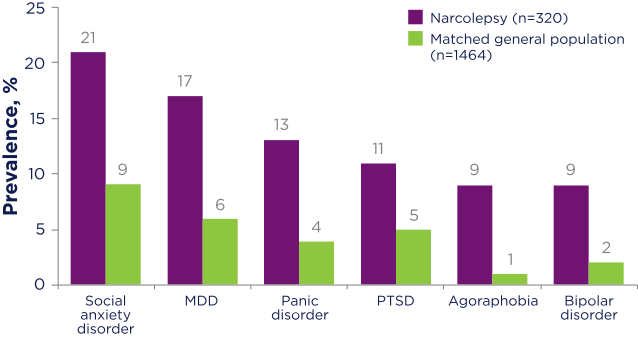
Narcolepsy is associated with a higher rate of psychiatric conditions. In a survey that aimed to understand the psychiatric and medical conditions associated with narcolepsy, compared with the general population, patients with narcolepsy were more likely to have certain psychiatric disorders, including major depressive disorder, bipolar disorders, and anxiety disorders.1

Reported rates of comorbid psychiatric conditions1
Image
bar graph reporting rates of 6 psychiatric conditions

MDD, major depressive disorder; PTSD, posttraumatic stress disorder.


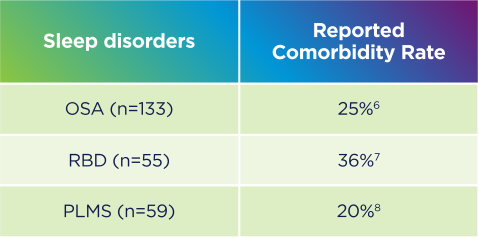
Reported rates of comorbid sleep disorders6-8
Image
Chart with 4 rows reporting rates of comorbid sleep disorders

OSA, obstructive sleep apnea; PLMS, periodic limb movements of sleep; RBD, REM sleep behavior disorder.

In addition to psychiatric conditions, other sleep disorders are also common in patients with narcolepsy, such as obstructive sleep apnea, periodic limb movements of sleep, and REM sleep behavior disorder.6-8

READ NEXT: Learn more about narcolepsy management

  1. Ohayon MM. Narcolepsy is complicated by high medical and psychiatric comorbidities: a comparison with the general population. Sleep Med. 2013;14(6):488-492.
  2. Black J, Reaven NL, Funk SE, et al. Medical comorbidity in narcolepsy: findings from the Burden of Narcolepsy Disease (BOND) study. Sleep Med. 2017;33:13-18.
  3. Jennum P, Ibsen R, Knudsen S, Kjellberg J. Comorbidity and mortality of narcolepsy: a controlled retro- and prospective national study. Sleep. 2013;36(6):835-840.
  4. Aran A, Einen M, Lin L, Plazzi G, Nishino S, Mignot E. Clinical and therapeutic aspects of childhood narcolepsy-cataplexy: a retrospective study of 51 children. Sleep. 2010;33(11):1457-1464.
  5. Guilleminault C, Pelayo R. Narcolepsy in prepubertal children. Ann Neurol. 1998;43(1):135-142.
  6. Sansa G, Iranzo A, Santamaria J. Obstructive sleep apnea in narcolepsy. Sleep Med. 2010;11(1):93-95.
  7. Nightingale S, Orgill JC, Ebrahim IO, de Lacy SF, Agrawal S, Williams AJ. The association between narcolepsy and REM behavior disorder (RBD). Sleep Med. 2005;6(3):253-258.
  8. Pereira D, Lopes E, da Silva Behrens NS, et al. Prevalence of periodical leg movements in patients with narcolepsy in an outpatient facility in São Paulo. Sleep Sci. 2014;7(1):69-71.
  9. Thorpy MJ, Krieger AC. Delayed diagnosis of narcolepsy: characterization and impact. Sleep Med. 2014;15(5):502-507.
Image
Jazz Pharmaceuticals logo

Terms of Use

Connect With Us

Privacy Statement

Site Map

About NarcolepsyLink

NarcolepsyLink® is sponsored by Jazz Pharmaceuticals

©2026 Jazz Pharmaceuticals, Inc.

US-SLE-2100121 REV1224

You are now leaving NarcolepsyLink.com

Click "OK" to continue or "CANCEL" to return to
NarcolepsyLink.com.

Cancel OK

You are now leaving NarcolepsyLink.com

You will be directed to a website for a treatment option indicated for the treatment of cataplexy or excessive daytime sleepiness (EDS) in patients 7 years of age and older with narcolepsy.

Cancel Continue

Are You a Healthcare Professional?

The information on the NarcolepsyLink website is intended for healthcare professionals only.

NO YES